Japanese Noodle Soups

Raghu Yadav
| 23-01-2026
 · Food Team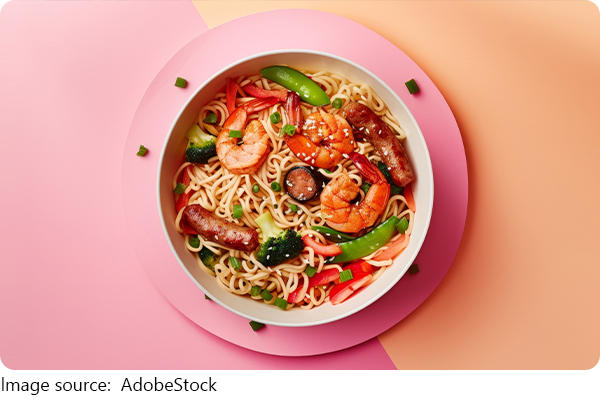
Ramen is undoubtedly one of the most famous and beloved Japanese noodle soups. Its rich, savory broth and variety of toppings have made it a staple of Japanese cuisine around the world.
The dish consists of thin, curly wheat noodles served in a flavorful broth that can range from soy sauce-based, miso-based, or even salt-based.
Traditionally, ramen broths are created by simmering meats like chicken, or fish, along with aromatic vegetables such as onions, garlic, and ginger. The depth of flavor in ramen is unmatched, thanks to the combination of the broth, noodles, and the variety of toppings added.
Tip: Ramen is versatile, and you can mix and match toppings depending on what you like. Some common ramen toppings include soft-boiled eggs, bamboo shoots, mushrooms, green onions, and nori (seaweed). For a vegetarian option, try using tofu as a protein source. If you're feeling adventurous, add chili paste or a drizzle of sesame oil to give it a spicy kick.
Discover the top fruits that support a healthy pregnancy for you and your baby!
Discover How This Tangy Citrus Can Refresh Your Body Inside Out.
Discover why pairing coffee with biscuits makes your afternoon perfect.
How innovations in packaging are reducing waste in the food industry.
How flavors are enhanced in processed foods and why it matters for your taste buds.
Buttery, nutty, and melt-in-your-mouth—these cookies feel bakery-made.
One of the unique features of ramen is the numerous regional variations across Japan. For example, Hokkaido is known for its miso ramen, which features a hearty, creamy broth made from miso paste. In contrast, the Kyushu region is famous for its tonkotsu ramen, a rich and creamy pork-based broth that is cooked for hours to extract its deep flavors.
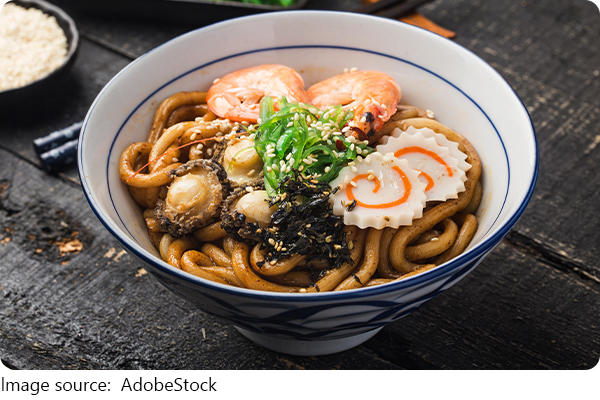
Udon: Thick and Comforting
Udon is another popular noodle soup in Japan, known for its thick, chewy noodles that provide a satisfying bite. Udon is often considered a comfort food, perfect for cold weather or when you're in need of a filling, hearty meal. The base for udon broth is typically dashi, a Japanese stock made from seaweed and bonito flakes (dried fish flakes). The addition of soy sauce, and sometimes a dash of sugar gives it a slightly sweet and umami-rich flavor.
Udon is usually served hot, but during summer months, a cold version called "zaru udon" is popular, where the noodles are served chilled and accompanied by a dipping sauce. This variation offers a refreshing contrast to the hot, rich broths typically served in winter.
Tip: The beauty of udon lies in its simplicity. While the noodles themselves are the main focus, you can add a variety of toppings to enhance the flavor. Common udon toppings include tempura (fried shrimp or vegetables), kamaboko (fish cakes), tofu, or sautéed spinach. You can also sprinkle some sesame seeds or shredded nori for an extra burst of flavor.
For an added twist, try adding spicy condiments like chili paste or a sprinkle of wasabi to your bowl of udon. This brings a bold contrast to the smooth, comforting noodles.
Soba: Light and Nutritious
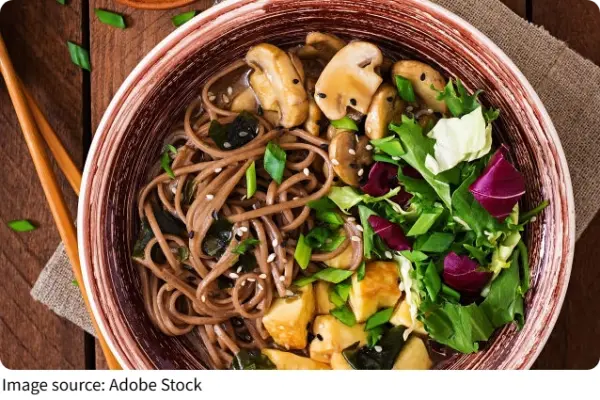
Soba, made from buckwheat flour, is a light but highly nutritious noodle that offers a distinct, earthy flavor. Soba noodles are thinner than udon and can be served either hot or cold, making it a great option year-round. Hot soba is typically served in a soy-based broth, while cold soba is often paired with a light dipping sauce. The combination of the nutty soba noodles and savory broth creates a simple yet elegant dish.
Soba is an excellent choice for a lighter meal, and it's often served with fewer toppings than ramen or udon. In fact, many people prefer soba in its most basic form—just the noodles in broth with a touch of green onion and a sprinkle of sesame seeds. However, it's easy to customize your soba soup by adding extras like grated daikon radish, nori (seaweed), or a drizzle of sesame oil for a bit of richness.
Tip: To enhance the flavor of soba, try adding wasabi to the broth or dipping sauce for an extra kick. You can also add vegetables like mushrooms, bok choy, or zucchini for added texture and nutritional value. Soba is also an ideal choice for those seeking a gluten-free alternative to wheat-based noodles.
One of the great things about soba is that it can be enjoyed year-round, either as a comforting hot soup in the winter or as a refreshing cold dish in the summer. For a traditional experience, serve cold soba with a simple dipping sauce made from soy sauce, and a touch of dashi.
Customize Your Noodle Soup
The beauty of Japanese noodle soups lies in how easily they can be customized to suit your tastes. Whether you're a vegetarian or a meat lover, you can adjust the ingredients to make your soup perfect for you. Start with your choice of noodles—ramen, udon, or soba—and then decide on a broth that complements your flavors. Broths can range from rich and hearty to light and savory, depending on what you're in the mood for.
Tip: Add toppings that not only boost the flavor but also bring texture to the dish. Fresh vegetables, soft-boiled eggs, and grilled meats like chicken or tofu can all elevate the experience. Additionally, experiment with herbs and spices such as ginger, garlic, or chili flakes to create a more dynamic flavor profile.
Another fun aspect of customizing your noodle soup is trying different types of noodles. For example, you can swap udon noodles with soba for a change in texture, or add a variety of mushrooms to your ramen for added umami.
Health Benefits of Japanese Noodle Soups
Beyond their delicious taste, Japanese noodle soups are often packed with nutrients, making them a great choice for a healthy, balanced meal. The broths, often made from vegetables, seaweed, and other natural ingredients, provide a rich source of vitamins and minerals. Additionally, buckwheat noodles like soba are high in fiber and antioxidants, which can support digestive health.
Using fresh, seasonal ingredients for toppings adds an extra nutritional boost to your soup. Vegetables like spinach, bok choy, and mushrooms not only enhance the flavor but also contribute essential nutrients like iron, potassium, and vitamin C. By choosing lean proteins such as tofu or grilled chicken, you can keep your meal light while still feeling full and satisfied.
Tip: To make your noodle soup even healthier, try making your own broth from scratch using fresh vegetables and natural seasonings. Avoid store-bought broth cubes that are often high in sodium and preservatives.
Japanese noodle soups are a warm, comforting, and nourishing meal that can be customized to suit any taste. Whether you're in the mood for the hearty, rich flavors of ramen, the thick, chewy udon noodles, or the light and nutritious soba, there's a noodle soup for every occasion. By experimenting with different broths, noodles, and toppings, you can create your own perfect bowl of Japanese noodle soup right at home.